
The journal
Should you put weather stripping on interior doors?
Sometimes: if it matches the door’s purpose and components. Use acoustic/smoke-compatible seals on the right interior doors, and pause if the door assembly or ventilation needs say otherwise. Practical steps to replace interior door seals correctly.

Short answer: sometimes. Put weather stripping on an interior door when you want better acoustic privacy or smoke containment and the door assembly is designed to work with compatible seals. Pause if it’s a fire-rated doorset that needs specific tested components, or if a planned gap is serving another purpose. Acoustic/ smoke sealing is an assembly decision, not just a stick-on strip choice (Lorient Acoustic Sealing Systems brochure).
When it makes sense
- Acoustic privacy between rooms. Acoustic sealing systems are commonly fitted to internal doors to reduce sound transfer. Effective systems seal all four sides, including the threshold, to provide a continuous barrier when the door is closed (Lorient Acoustic Sealing Systems brochure).
- Doors that must resist smoke or are part of a fire-rated assembly. Many interior doors in buildings need smoke and sometimes fire resistance. In these cases, you must select components that are compatible with the specific door assembly and its evidence. Check the door manufacturer’s test evidence and use the type/size of seal it was tested with; adding a generic strip does not make a fire door (Lorient technical FAQs).
- Control of draughts and dust through the door edges. The same sealing principles that help with acoustics can also help contain draughts and dust in appropriate assemblies (Lorient Acoustic Sealing Systems brochure).
Check the intended air path
PNNL’s Building America guidance explains that closed rooms in homes with ducted heating and cooling need an adequate return-air route. A door gap can be part of that arrangement, although a gap alone is not always adequate. Check the intended system before adding a seal; this is not a universal instruction to cut a door or choose a particular clearance.
When to pause or avoid
- If it’s a fire or smoke-rated doorset. Do not apply a random foam or brush strip. Use seals that match the door’s tested specification, and include the threshold solution specified for smoke/acoustic performance. Interrupting the seal around hinges or hardware can seriously compromise effectiveness (Lorient Acoustic Sealing Systems brochure; Lorient technical FAQs).
- If the gap is intentional. Before sealing, check whether a visible undercut or gap is part of the door assembly’s intended function. For smoke- or acoustically-rated doors, leaving the threshold unsealed undermines performance; undercutting for extra ventilation is described as risky for smoke containment (Lorient technical FAQs). If you’re unsure why a gap exists, consult the door documentation or a qualified professional.
- When the real problem is a poor fit. If the door rubs, binds, or the latch doesn’t align, fix those issues first rather than masking them with thick seals. See our guide: How do you fix an interior door that rubs?
If you decide to add or replace interior door weather stripping
1) Identify the door and its purpose
- Confirm whether it’s a standard interior door or a fire/smoke-rated doorset. For rated doors, follow the door manufacturer’s test evidence for seal type, size and placement. A combined smoke/fire seal may be required; the threshold typically needs sealing too (Lorient technical FAQs).
2) Choose compatible components
- Perimeter + threshold. Acoustic/smoke performance depends on sealing the head, jambs and the bottom of the door as a continuous system (Lorient Acoustic Sealing Systems brochure).
- Prefer fin-type seals for acoustics. Brush-type strips are porous and not suitable for acoustic containment. Fin-style seals provide better acoustic performance and lower friction for door operation (Lorient Acoustic Sealing Systems brochure).
- Bottom gap options. Use a drop seal or a door-bottom sweep with a suitable threshold plate to achieve reliable contact at the floor (Lorient technical FAQs).
3) Replace the perimeter seal: practical steps
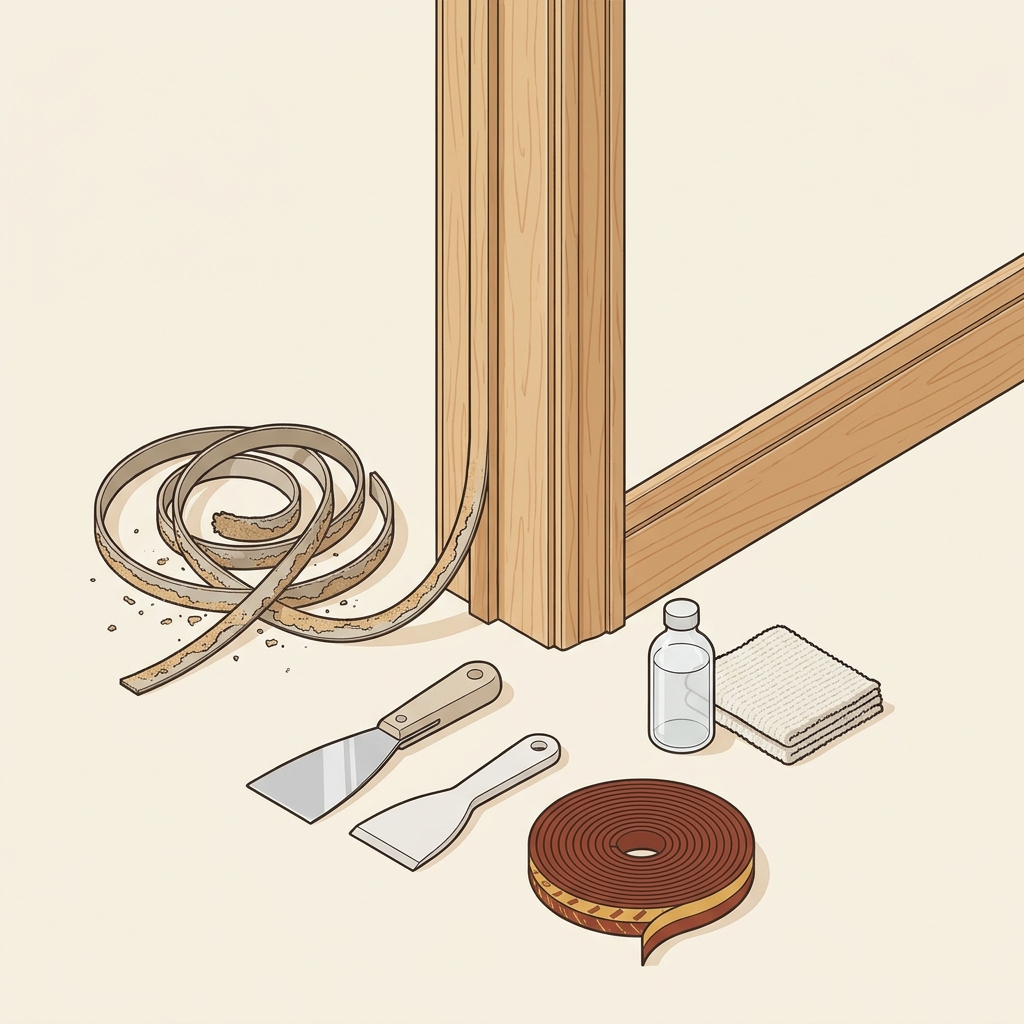
- Remove the old strip and adhesive residue. Inspect for a kerf (groove) or stop-mounted surface where the new seal will go.
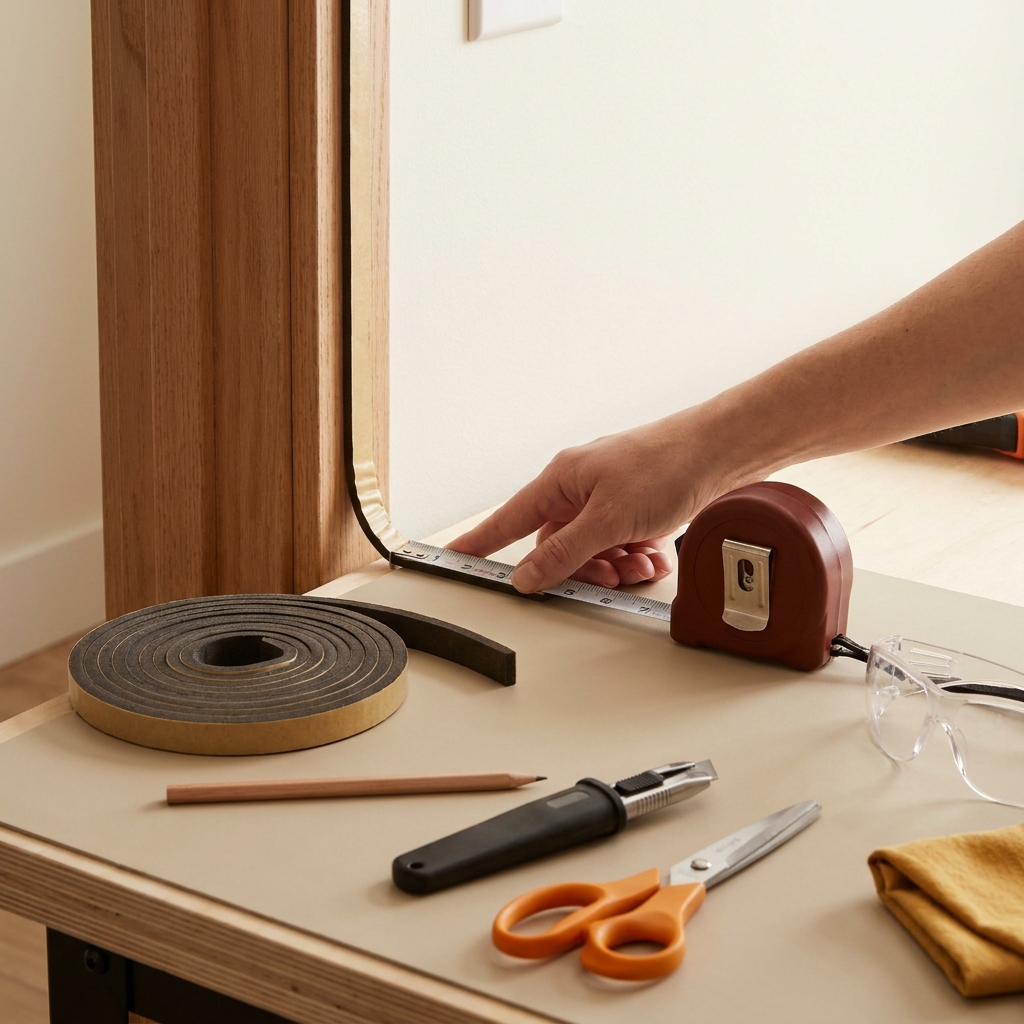
- Measure each side and cut the new seals to length. Dry-fit first to ensure a continuous run that is not interrupted by hinges or hardware; breaks reduce effectiveness (Lorient Acoustic Sealing Systems brochure).
- Install per the maker’s instructions. For self-adhesive types, clean and fully dry the surface before bonding.
- Close the door and check for light gaps. Use a slip of paper to confirm gentle contact around the perimeter; the door should still latch smoothly.
4) Seal the threshold correctly
- Fit a compatible drop seal or sweep, and add a threshold plate if needed to give a firm, consistent sealing surface. Threshold sealing is essential for smoke and acoustic containment (Lorient technical FAQs).
5) Finishing and upkeep
- Do not paint smoke seals; painting compromises smoke performance. Replace any smoke seal that has been painted over (Lorient technical FAQs).
- Inspect and clean seals periodically; replace worn or damaged sections to maintain performance (Lorient Acoustic Sealing Systems brochure).
Put this into practice
Check the door’s existing clearance and intended airflow before adding a strip. Confirm that the door still closes and latches correctly, and keep any required ventilation opening clear.
Quick decision checklist before sealing an interior door
Helpful related reading
Short FAQs
What’s the best type of interior door strip for noise?
Fin-style seals are recommended for acoustic containment; brush-type strips are porous and not suitable for acoustic performance (Lorient Acoustic Sealing Systems brochure).
Can I fit a drop seal without removing the door?
Some face-fixed door-bottom and drop-seal options can be installed without taking the door off, which can help with retrofits. Always match the product to the door assembly and follow maker instructions (Lorient technical FAQs).

If the reason for sealing an interior space is damp linen storage, Talk About Sleep explains how to observe humidity there. Check intended ventilation before trying to seal every opening. What is the best humidity level for a closet?.