
The journal
Foam vs fluffy rollers for smooth walls
For smooth interior walls, a short‑nap fluffy fabric roller usually beats foam for speed and a consistent finish. Here’s how to pick nap and cover material that won’t leave stipple or lint.
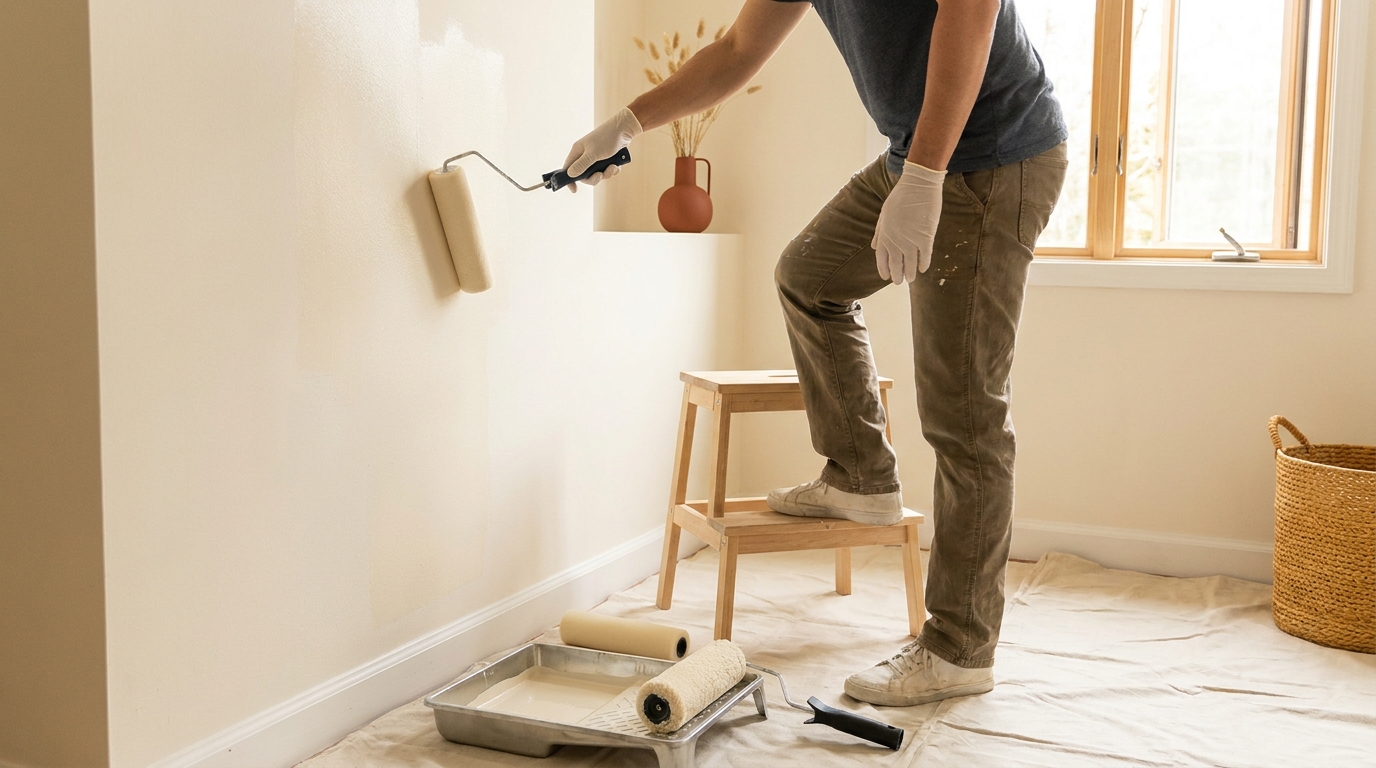
Short answer: For smooth interior walls, a fluffy fabric roller with a short nap is usually better than foam. Use a 1/4 to 3/8 inch nap to keep the finish smooth; woven microfiber or mohair covers shed less and minimize texture. Foam can work on very smooth, small areas but it loads less paint and can leave bubbles, so it’s slower and riskier on full walls (Purdy: choosing roller covers; Sherwin-Williams: application FAQs; Toolstation: roller types).
What to use on smooth drywall
Pick nap first, then fabric:
- Nap length: For smooth or slightly textured surfaces, use 1/4 to 3/8 inch nap. Go thinner (about 1/4 inch or even mohair 3/16 inch) when you want the smoothest, higher-sheen result; use 3/8 inch for most interior walls to balance coverage and finish (Sherwin-Williams: choose brush and roller; Sherwin-Williams: application FAQs; Purdy: choosing roller covers).
- Fabric: Woven covers including microfiber and mohair leave very smooth finishes with minimal lint. Knit covers (polyester, lambswool) hold more paint and cover faster but leave more stipple (Purdy: choosing roller covers).
- Sheen considerations: Glossier paints benefit from woven covers that shed less and deliver a smoother finish (Purdy: choosing roller covers).
When a foam roller makes sense
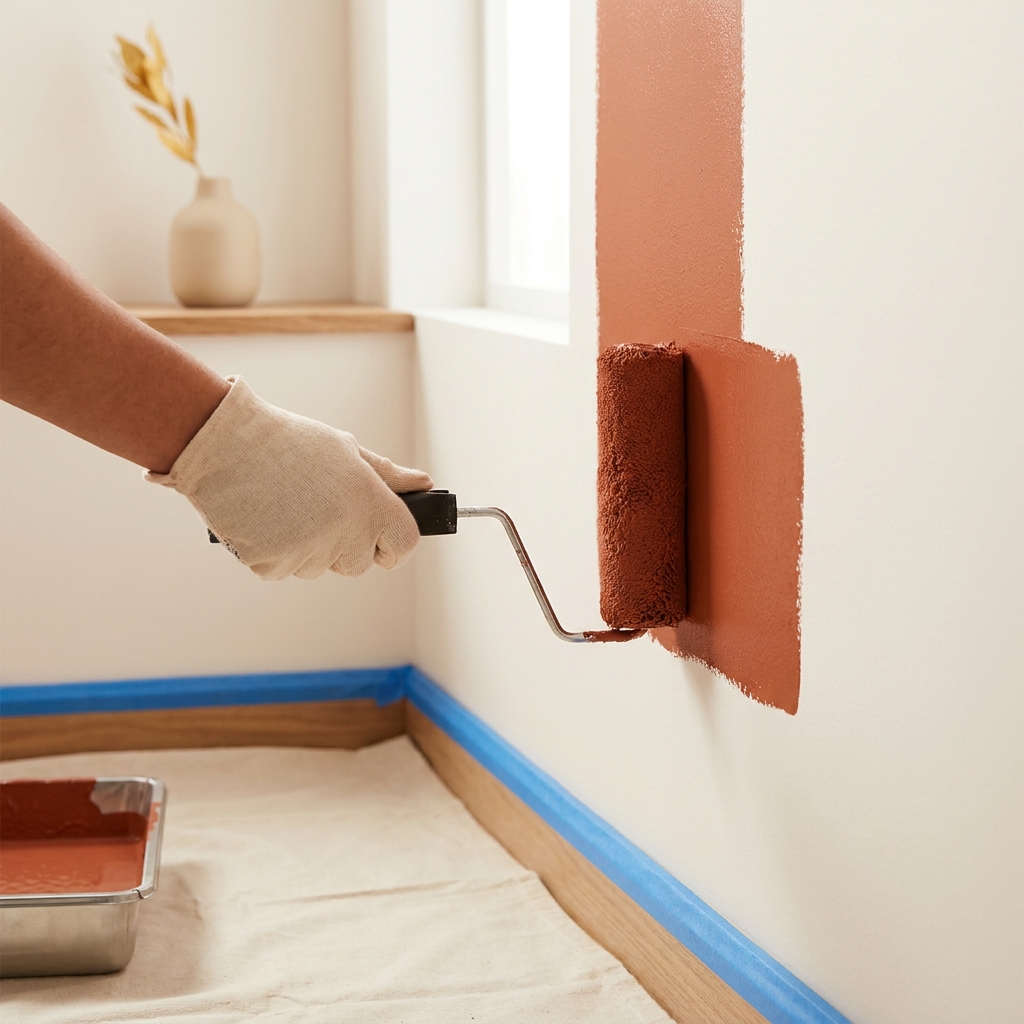
Foam sleeves are intended for smooth and semi-smooth surfaces and can lay on a smooth film, but they typically:
- Absorb and hold less paint, so you’ll reload more often on wall-sized areas.
- Can leave bubbles if over-rolled or pressed too hard.
- Are less durable on large jobs and rougher spots (Toolstation: roller types).
That’s why foam is better reserved for small, very smooth areas and touch-ups, whereas a short-nap fluffy fabric cover is the practical choice for full smooth walls.
Quick picks for smooth walls
- Most living rooms, bedrooms: 3/8 inch nap, woven microfiber cover for a fast, even wall finish with low lint (Purdy).
- Feature walls with satin/semigloss or where you want the smoothest look: 1/4 inch nap or mohair 3/16 inch, woven cover (Sherwin-Williams: application FAQs).
- Lightly textured drywall: step up to 1/2 inch nap for better coverage into texture, accepting a bit more stipple (Purdy).
Technique tips that protect the finish
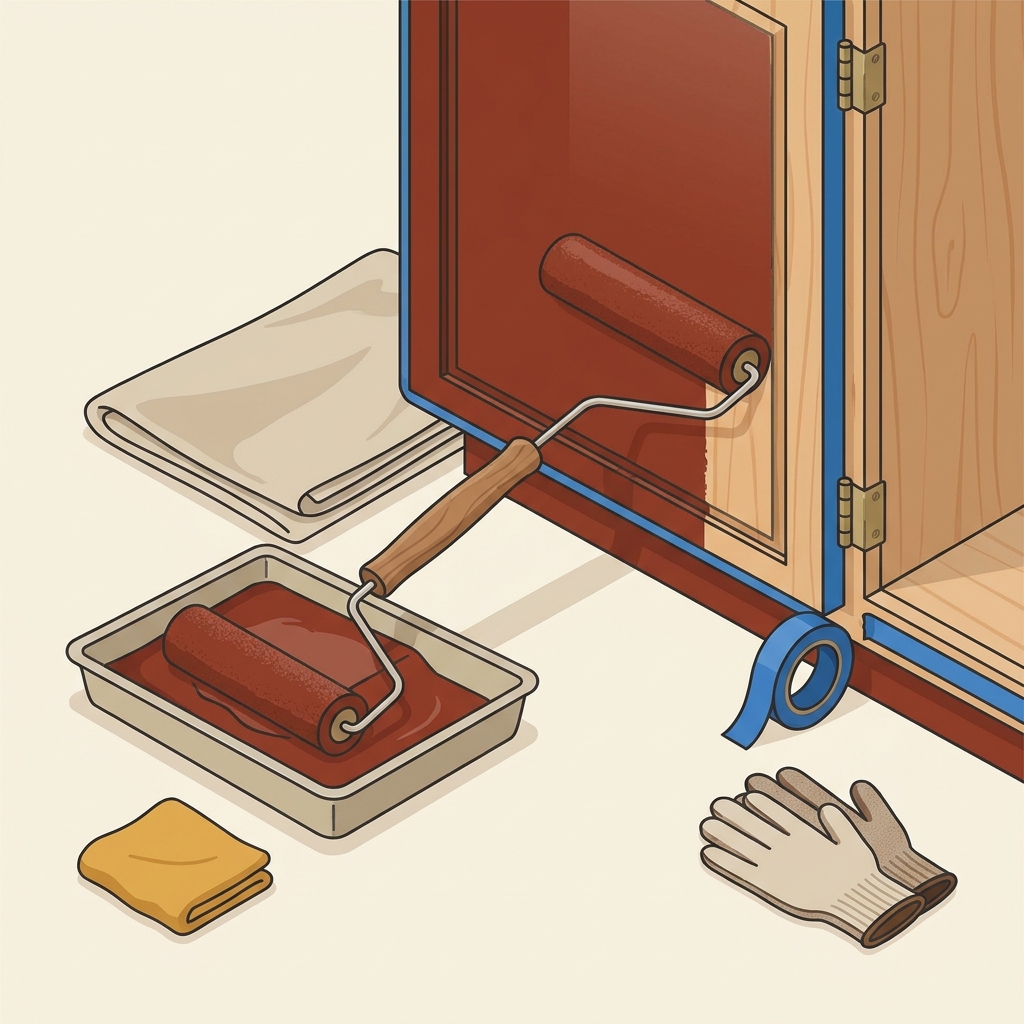
- De-lint a new roller cover with painter’s tape before first use to reduce fibers in the finish (Sherwin-Williams Pro Painters training).
- Don’t overload the roller; a typical load should cover a 2-by-3 foot area evenly without dripping (Sherwin-Williams Pro Painters training).
- Use an extension pole for smoother, consistent pressure across walls and ceilings (Sherwin-Williams: choose brush and roller).
Put this into practice
Keep paint, preparation and test area consistent when comparing two suitable covers. Judge the dried texture and handling before doing the whole wall, and retain the coating maker’s restrictions when deciding between foam and fabric.
Checklist: pick the right roller for smooth drywall
Related reading from Home by Doing
FAQ
What width roller should I use on walls?
Most DIYers get good results with a 9 inch frame for walls; pros often use 9 to 12 inch depending on area size (Toolstation: roller types).
Which cover type is best for higher-sheen wall paint?
Use a woven cover (microfiber or mohair) to minimize lint and texture with glossier coatings (Purdy).

Optional equipment for this guide
If replacing a roller, compare nap, cover material and frame fit with the coating maker’s instructions. Repair wall defects before choosing the cover.
As an Amazon Associate I earn from qualifying purchases. These are researched options, not hands-on test results. Check the exact size or model, current price and availability on Amazon.
| Product option | Fit and limits to check | Retailer |
|---|---|---|
| Product imageWooster Pro/Doo-Z RR723-9 roller cover, 9 inch / 3/8-inch nap | Match this cover’s dimensions and fabric to the frame, coating and surface instructions. A roller does not replace filling and sanding defects. | View on Amazon |